

From Subsistence to Enterprise: WDB Trust Transforms Rural Women Farmers
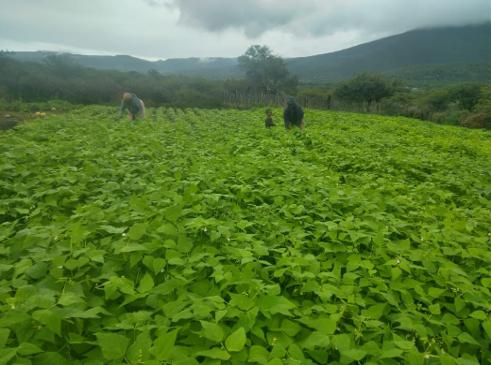
Aligning with the United Nations’ declaration of 2026 as the International Year of the Woman Farmer (IYWF 2026), the WDB Trust has announced a series of landmark achievements in its ongoing mission to transform rural women into thriving, sustainable commercial farmers.
The IYWF 2026 global mandate shines a spotlight on the key, yet frequently
unrecognised, roles women play across the agricultural value chain.
“Rural women are involved in primary production, trade and community nutrition. This ensures local economic resilience. By equipping rural women with technical agronomicexpertise, business acumen and self-directed savings mechanisms, WDB Trust isdirectly closing gender gaps, strengthening household food security and driving ruraleconomic activity,” says Riah Phiyega, CEO of the WDB Trust.
As part of this year’s milestones, WDB Trust’s Training & Academy Programme has successfully supported 5,338 women in establishing their own domestic vegetablegardens. This highly scalable intervention is actively promoting healthier, self-reliantlifestyles and combating systemic nutritional deficits at the household level. Beyond subsistence, WDB Trust’s Zenzele Development Programme is systematically migrating rural women from vulnerable livelihood positions to self-sustaining commercial enterprises. The success stories of Duduzile Mvelase and Bonisiwe Ngubane exemplify this transformative, bottom-up developmental model.
Moving from vulnerability to commercial scalability Before receiving WDB Trust’s technical intervention, Duduzile Mvelase from Nkombe Village in Limpopo, operated a modest 2-hectare mixed vegetable and poultry farming
plot. Constrained by poor irrigation infrastructure, high pest pressures, lack of quality inputs and zero access to formal markets, her yield was erratic and primarily served household consumption.
Through WDB’s structured development assistance, Mvelase received comprehensive extension services, including training in climate-smart agriculture. The training focused on soil conservation, water efficiency and crop rotation alongside formal business and financial management instruction.
“This helped me a lot. Crop production increased to 10 tonnes per season from 3 hectares. I was able to sell my products, creating 3 jobs in the process. I am not working with other women, sharing my experience so that they can also start their own farming businesses,” Mvelase said.
Capital accumulation through micro-savings
Ms Bonisiwe Ngubane, a mother of two from Mvoti village in Limpopo, was previously unemployed, relying strictly on child support grants and sporadic informal ad-hoc jobs. Upon entering the WDB Trust Zenzele programme, she expressed a desire to establish a poultry egg-production business.
Rather than relying on immediate external credit, her WDB Trust development facilitator coached Ngubane on micro-savings methodologies. By systematically putting aside small amounts from her grants and piece work, Ngubane successfully accumulated the capital to purchase her first 5 laying hens at R200 each.
“By practicing disciplined cash-flow management and reinvesting 100% of my initial egg profits, I expanded her flock from 5 to 25 productive laying hens. I am pleased because the business has fully replaced my reliance on ad-hoc informal jobs. I now have a secure and steady income and a reliable local customer base,” Ngubane says.
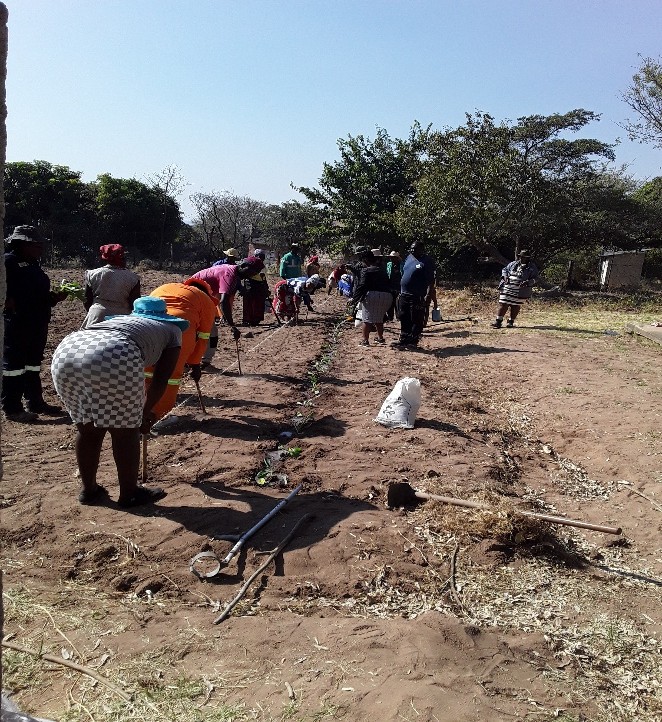
Under WDB guidance, Ngubane implemented a sustainable livestock rotation cycle by selling older hens as meat once egg-laying productivity declined and using those funds to purchase young, high-yield layers. Collaborative community farming model Demonstrating the power of collective action, the Zenzele programme also facilitated the establishment of a 32-member group in Shabalala village, Mpumalanga.
Facing initial land constraints, WDB Trust partnered with a local school and the Department of Agriculture, Rural Development and Land Administration (DARDLEA) to secure a one-hectare plot, borehole water infrastructure and essential farming inputs.
Under expert advisory guidance, the group completed rigorous training in crop spacing, soil sampling, agro-ecosystem analysis, pest scouting and market access. Today, the group successfully cultivates high-yield crops such as cabbage, turning landless individuals into empowered agricultural producers.
“What the more than five thousand women have achieved shows that when you equip a rural woman with knowledge, market access and a structured savings mindset, she does not just feed her family, she builds an economy,” Phiyega concludes.